
Birdwatching in Charleston feels different when the tide is moving. You glide past marsh grass, dark mudflats, and quiet oyster beds. A bird may stand still on one leg, then lift off with a sharp call and vanish over the water.
Charleston, South Carolina has marshes, tidal creeks, barrier islands, and maritime forests. These habitats support many bird species all year. Spring and fall bring more birds as migration passes through.
Shorebirds to Spot in Charleston Harbor on a Boat Tour
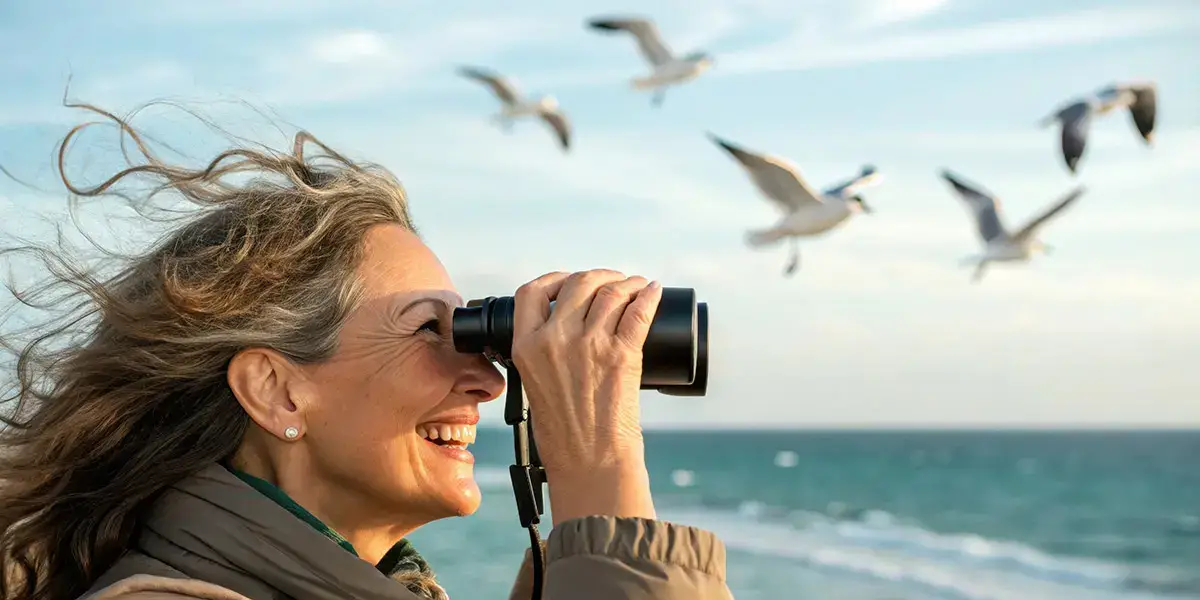
Carolina Marine Group boat tours pass through Charleston Harbor, the Intracoastal Waterway, and nearby tidal creeks. These shorelines and sandbars can hold birds at any hour. Bring binoculars and scan the edges where shallow water meets sand.
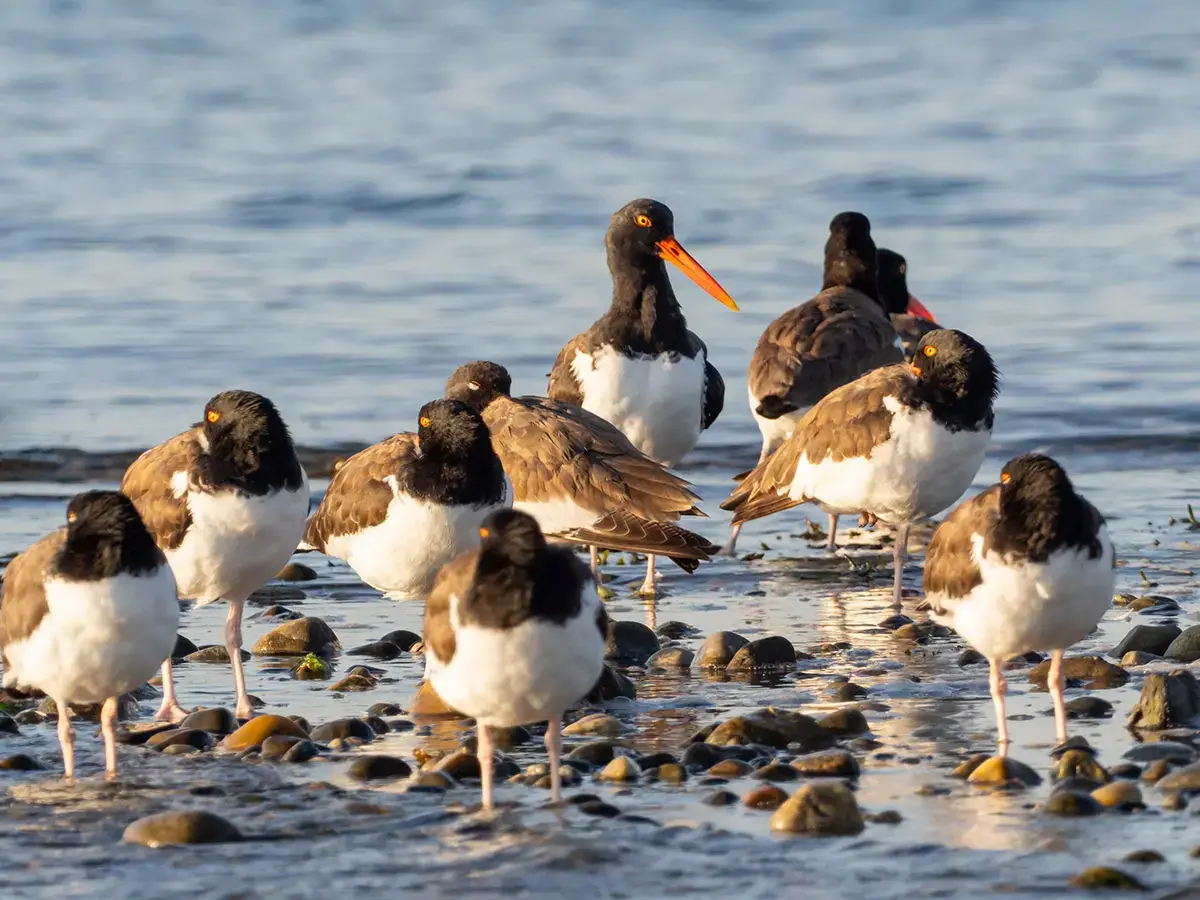
American Oystercatcher
American Oystercatchers stand out fast. They have a bright orange bill, yellow eyes, and bold black-and-white feathers. Watch them probe oyster beds and pry open shells with steady force.
Fun fact: Oystercatchers often pair for years and return to the same nesting areas. They lay speckled eggs on open sand or gravel, where the pattern blends in.
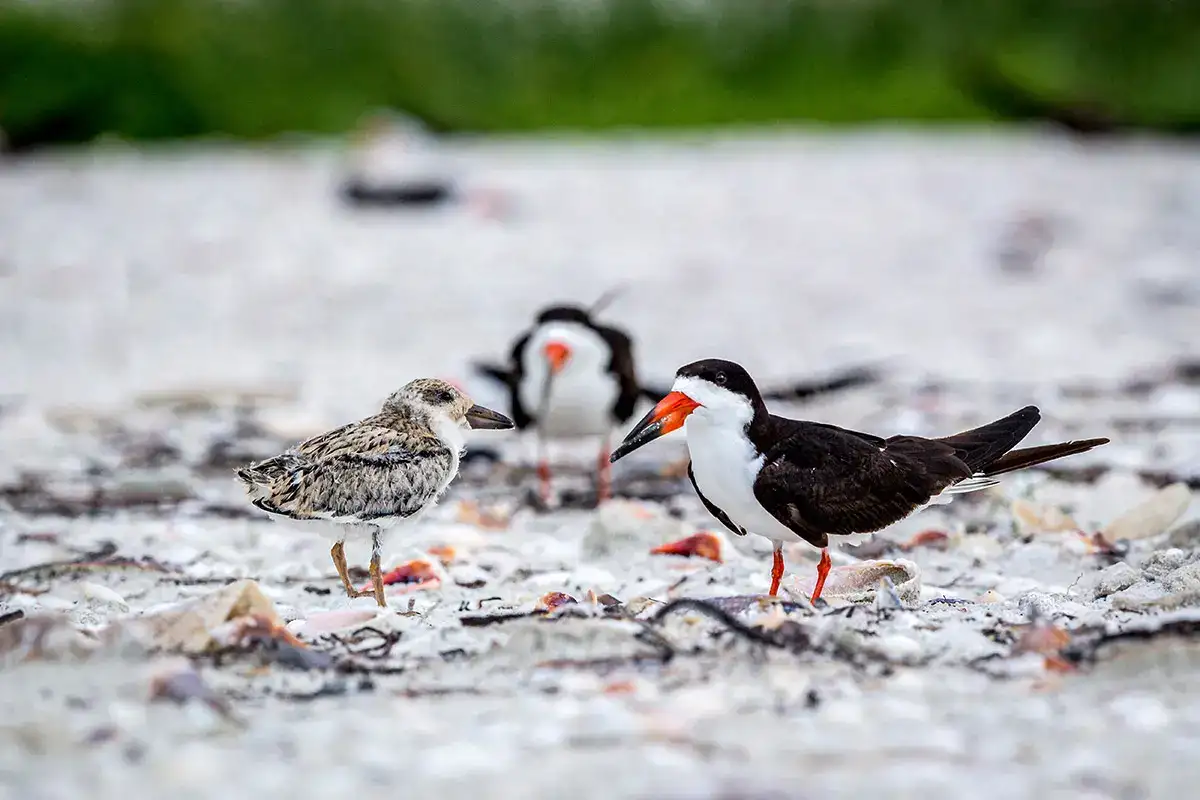
Black Skimmer
Black Skimmers look strange in the best way. Their lower bill is longer than the upper bill. They fly low over calm water and drag that lower bill through the surface to snag small fish.
Fun fact: Skimmers feed most in early morning and late evening, when the light is low. Their eyes have narrow pupils that help cut glare off the water.
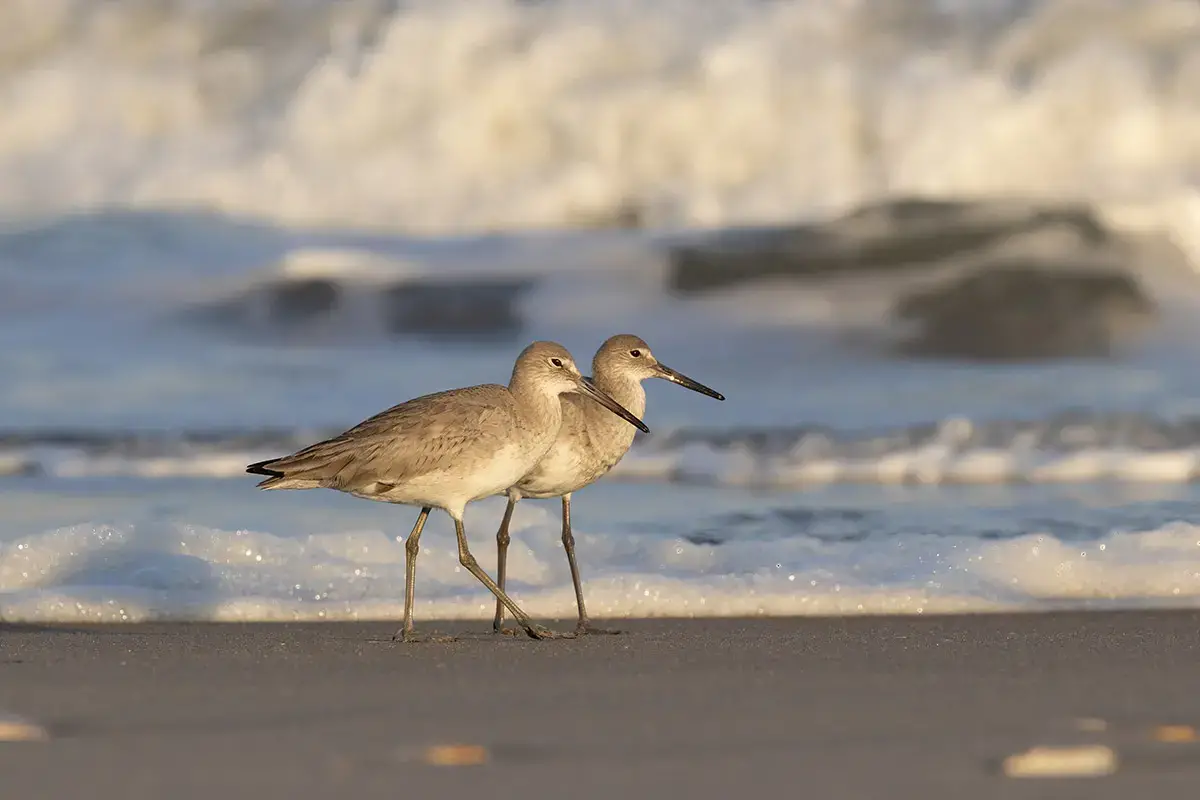
Willet
A Willet can seem plain at first. It often looks gray-brown while it rests or walks. Then it takes flight and flashes a bold black-and-white wing pattern that is easy to spot.
Fun fact: Willets have a sharp, loud call that carries far over the marsh. They are one of the few shorebirds that can nest in salt marsh grass.
Marsh Birds to Watch in Charleston’s Salt Marsh
Charleston’s salt marshes hold birds that hide well. You may hear them before you see them. Look for movement in the cordgrass, especially where creeks bend and the water turns glassy.
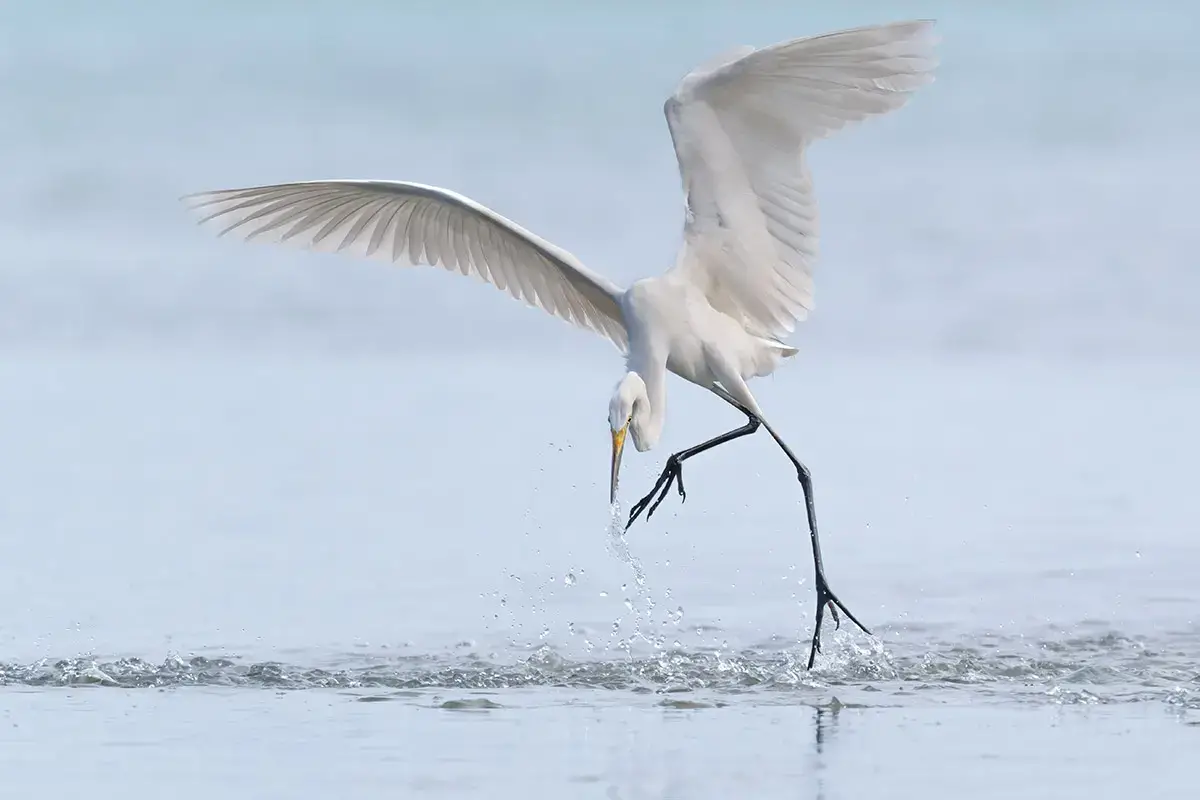
Great Egret
Great Egrets are tall white waders with a long neck and a pointed bill. They often stand still in shallow water, then strike in one quick motion. You may see them hunt fish, frogs, and small reptiles along calm shorelines.
Fun fact: Great Egrets were heavily hunted in the late 1800s for their plume feathers. That pressure helped spark early bird protection efforts in the United States.
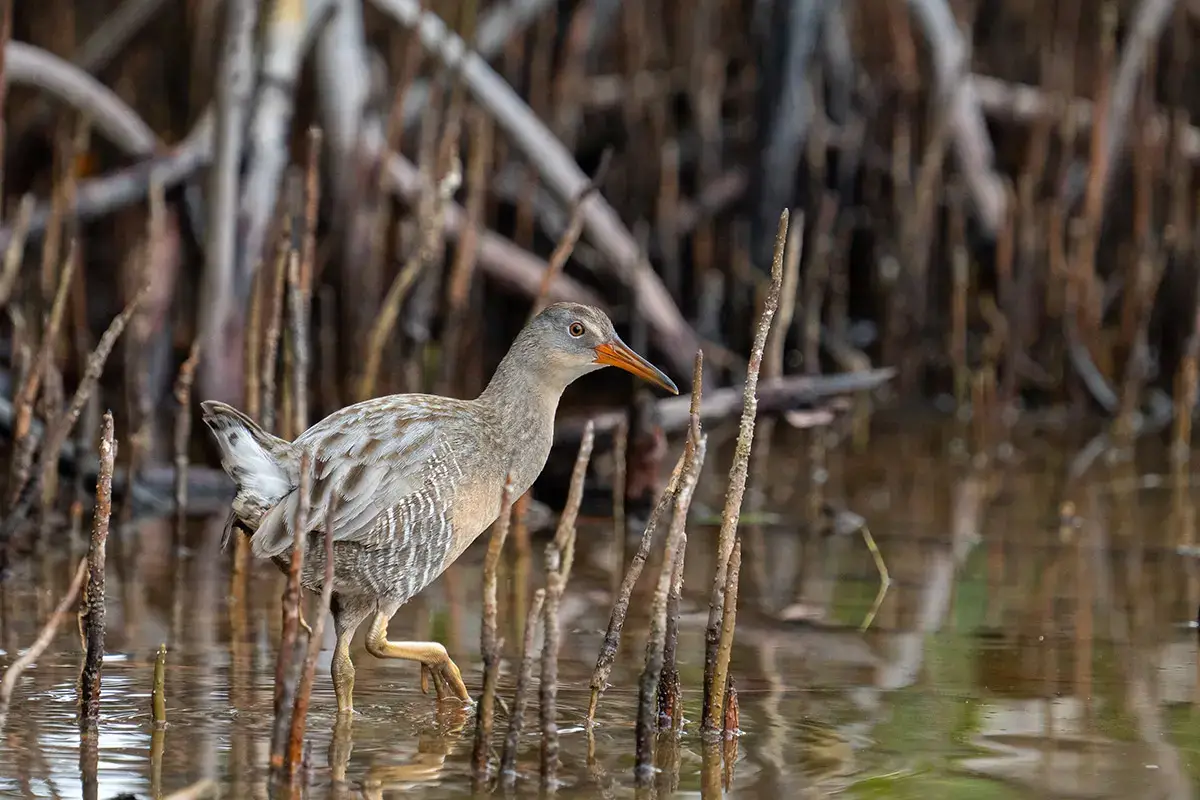
Clapper Rail
Clapper Rails stay tucked deep in marsh grass. Their bodies match the brown-gray tones of the cordgrass. If one calls, you may hear a loud clatter that sounds like sticks tapping together.
Fun fact: Rails can swim short distances, even when they are young. They depend on cover and stillness to avoid predators.
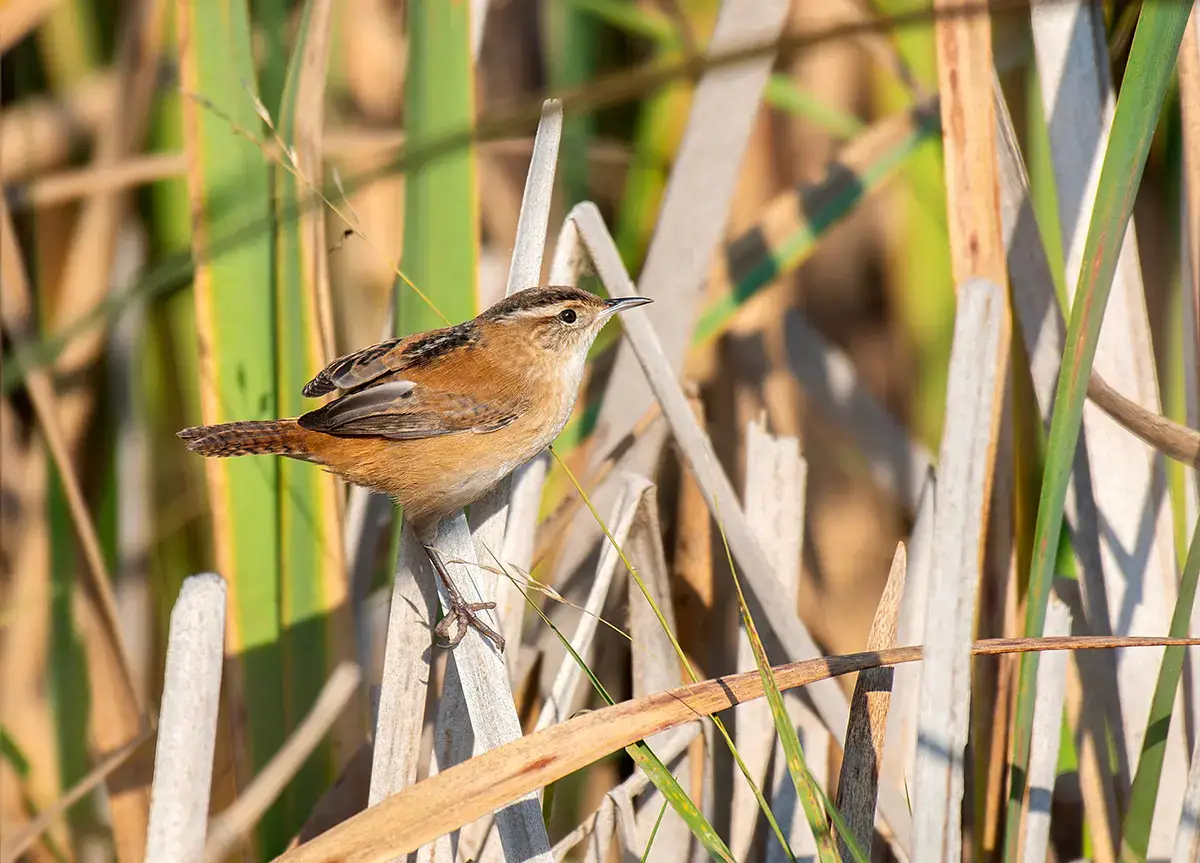
Marsh Wren
Marsh Wrens are small birds with big energy. They hop through reeds and sing fast, bubbling songs. If you spot one, watch for quick movement near the tops of grasses.
Fun fact: A male Marsh Wren may build many “extra” nests during breeding season. The female picks one for eggs.
Inland Birds You Can Still See Near Charleston’s Water
Not every good sighting happens on a sandbar. Many inland birds live near wet woods, parks, and neighborhoods. Some fly over creeks or perch near boat routes where trees meet the marsh.
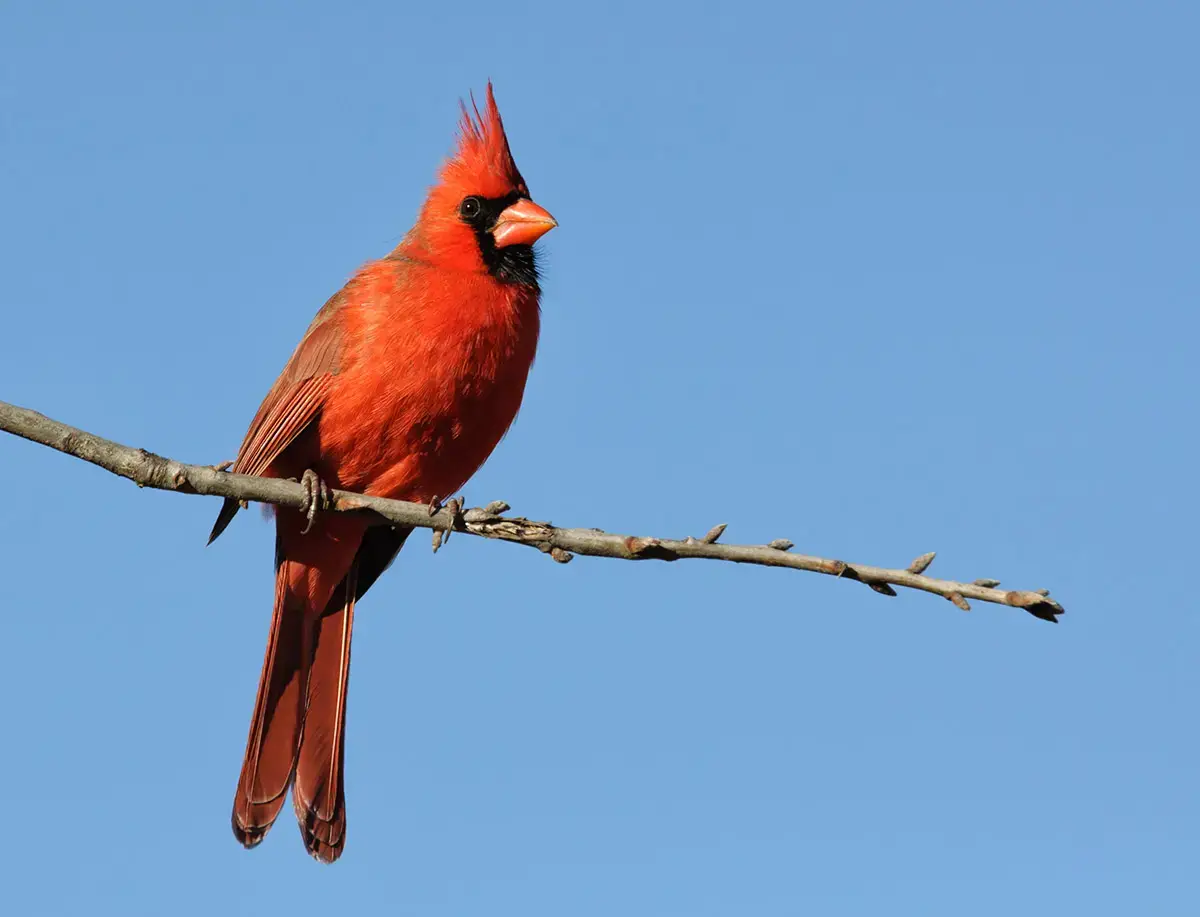
Northern Cardinal
Northern Cardinals are easy to know by color and song. Males are bright red. Females are warm brown with red tones on the wings and crest. Both can sing, even outside spring.
Fun fact: Cardinals do not migrate, so you can see them in Charleston in every season.
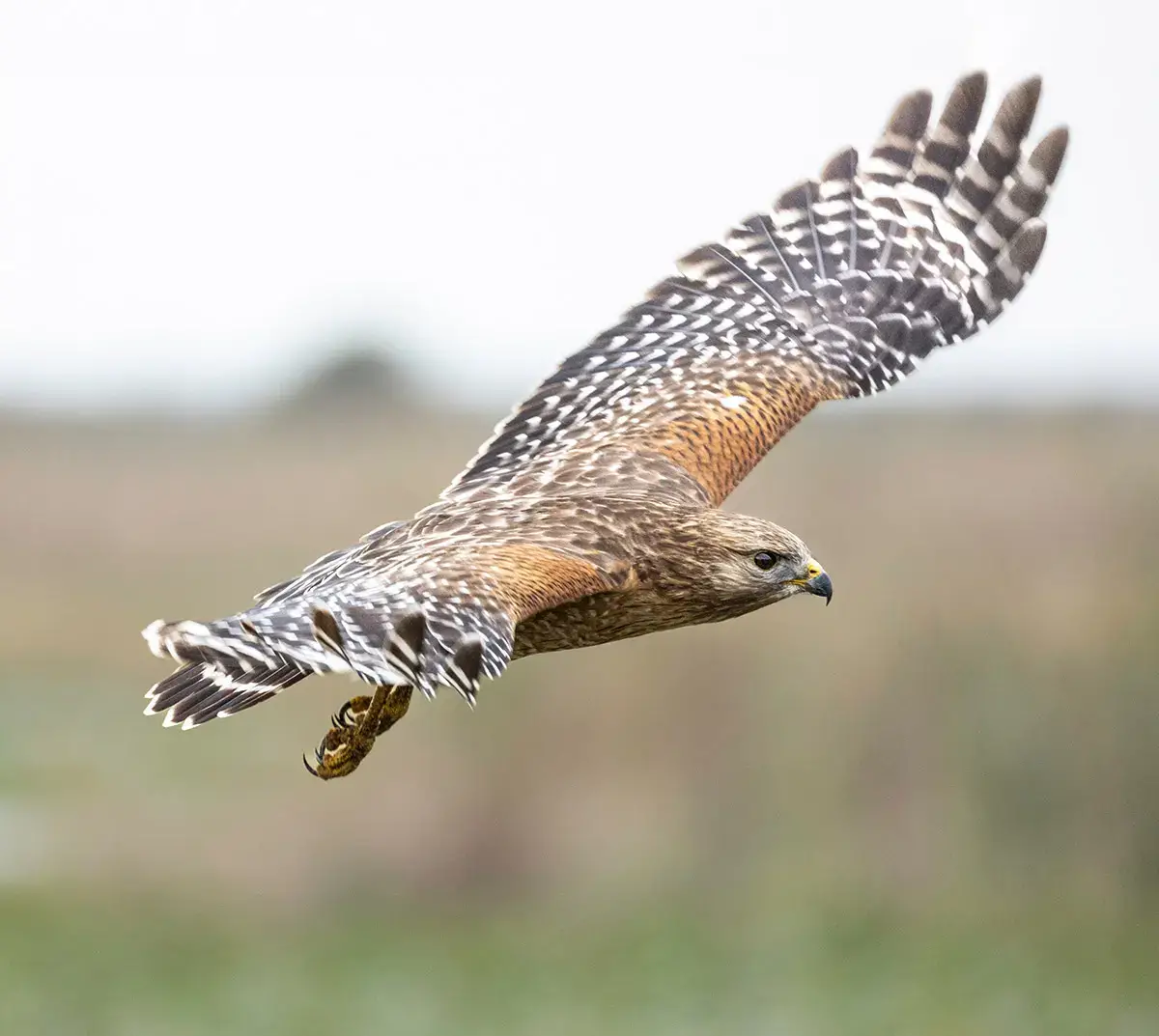
Red-shouldered Hawk
Red-shouldered Hawks often sit high in trees near wetlands. Listen for a loud, clear call that repeats. You may see one glide over a creek line or drop into the woods after prey.
Fun fact: These hawks often reuse old nests and add new sticks each year.
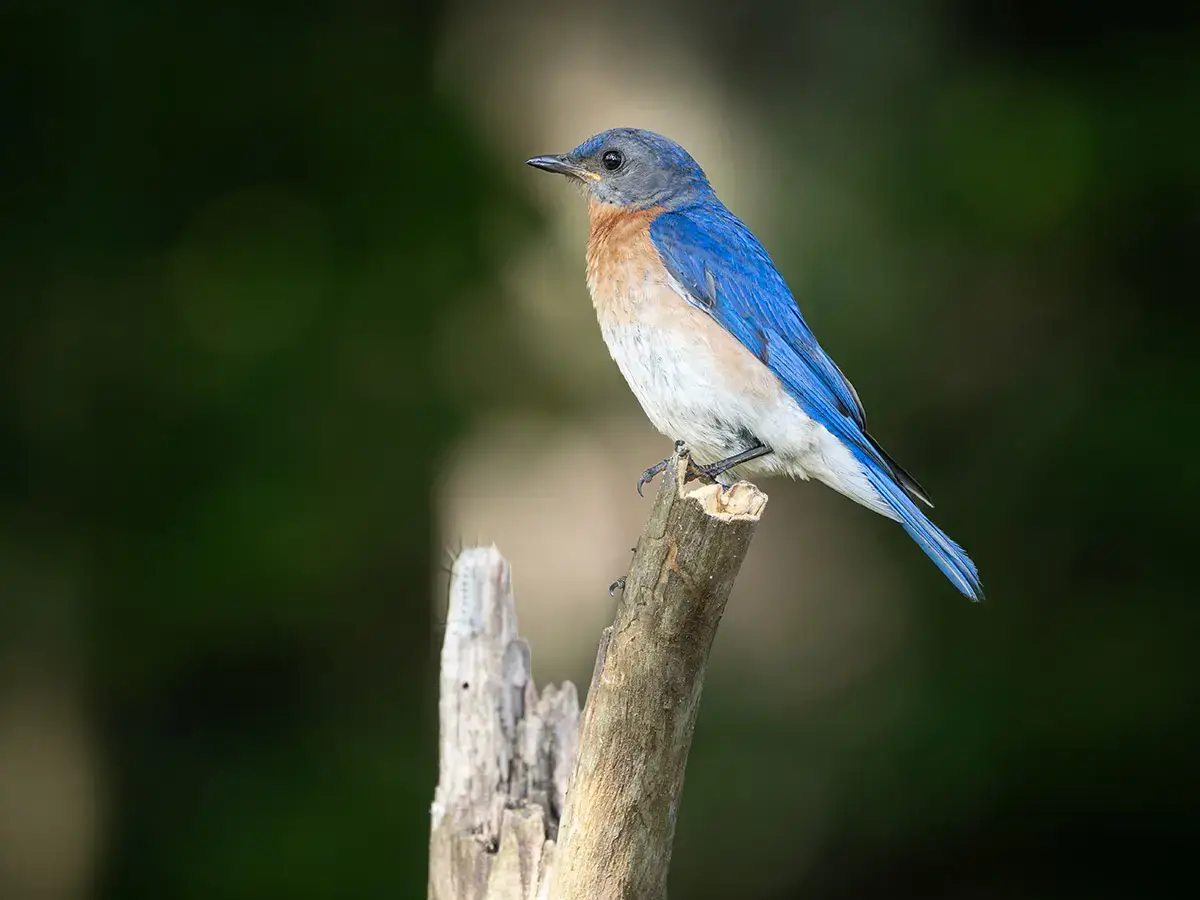
Eastern Bluebird
Eastern Bluebirds like open spaces with scattered trees. Look for a small bird with a blue back and a rusty chest. You may spot them near parks, golf courses, and quiet edges of neighborhoods.
Fun fact: Bluebirds use cavities for nests and often accept nest boxes.
Plan Your Charleston Birdwatching Boat Trip
Charleston’s birds change with light, wind, and tide. A calm morning can bring skimmers over the water. A rising tide can push egrets closer to the creek edge. Keep your eyes on the shoreline and your ears open for calls in the marsh grass.
Want to see these birds from the water? Book a Carolina Marine Group boat tour and bring binoculars. Ask your captain about the best tide window for shorebirds and marsh birds.
FAQ: Birdwatching in Charleston
What are the best places for birdwatching in Charleston?
Charleston Harbor, tidal creeks, salt marsh edges, and barrier island shorelines are strong picks.
What birds can I see on a Charleston harbor boat tour?
You may see American Oystercatchers, Black Skimmers, Willets, egrets, and marsh birds near the grass line.
What time of day is best for birdwatching on the water in Charleston?
Early morning and late afternoon often bring the most activity, with softer light and calmer wind.
Do I need binoculars for birdwatching in Charleston?
Yes. Binoculars help you spot birds on distant sandbars and along marsh edges.
When is migration season for birds in Charleston?
Spring and fall bring many migrating birds, while summer and winter hold steady resident birds.
Stay tuned for Part 2, where we cover seasonal changes, migration timing, and simple tips for birding by boat.
