
Charleston's birds change with the calendar. A creek that holds egrets in July can hold a flash of pink feathers in September. The harbor that seems quiet in August fills with diving seabirds by December. If you read Part 1 of our Charleston birdwatching guide, you know the regulars. This time we cover the birds that come and go with the seasons, the rare visitors that turn heads, and a few tips that help you spot them from the water.
Charleston Sits on the Atlantic Flyway
The Atlantic Flyway is one of four major bird migration routes in North America. Millions of birds travel it each spring and fall. Charleston sits right in the path. That means boat tours in March, April, September, and October often cross paths with birds that are just passing through.
Some stop to feed in the salt marsh. Some rest on sandbars between long flights. Some drop in for a single morning and vanish by the next tide.
Spring and Fall Migrants to Watch For by Boat
Migration brings color and movement. The marsh grass sways with new arrivals, and the creeks fill with birds you will not see in winter.
Painted Bunting
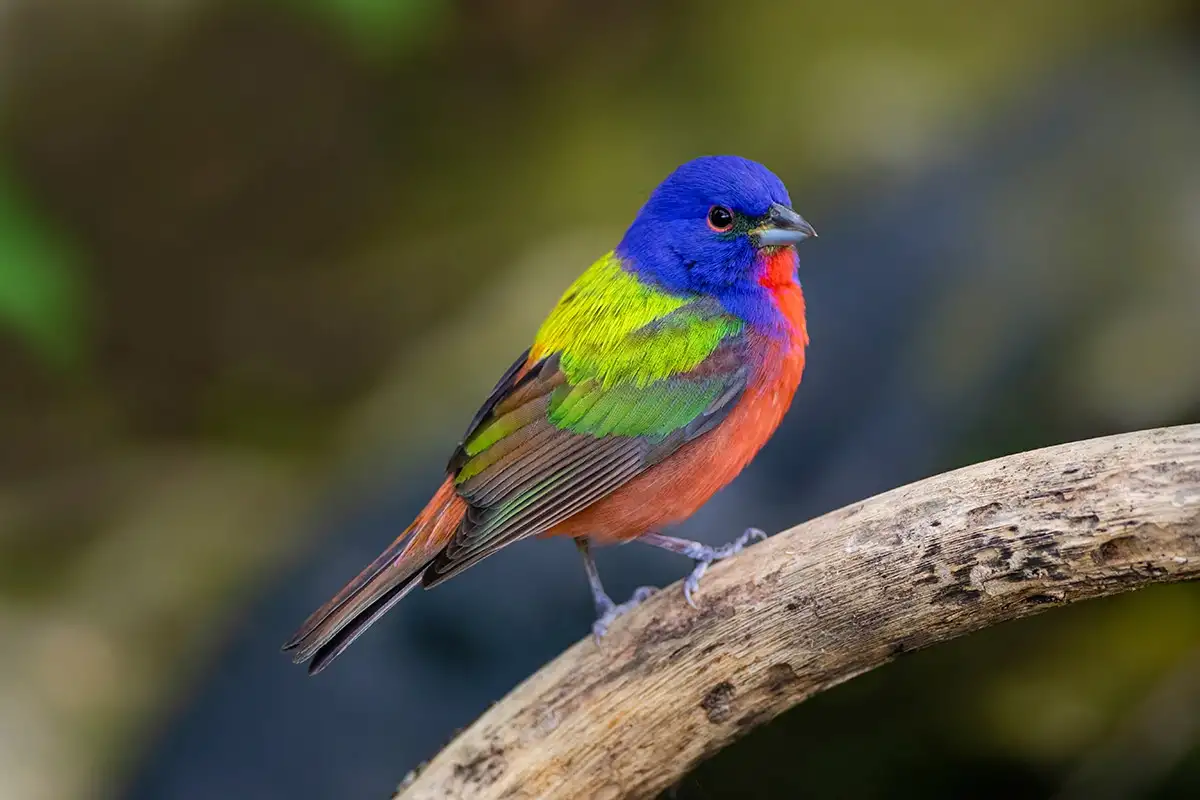
Male Painted Buntings look almost unreal. Bright blue head, green back, red belly. They arrive in Charleston in late April and stay through late summer. Look for them in brushy areas along marsh edges, tidal creek banks, and the scrubby cover on barrier islands.
Fun fact: Females and juveniles are a soft green and are often missed. Males sing from high perches to mark territory, which is how most people find them first.
Tree Swallow
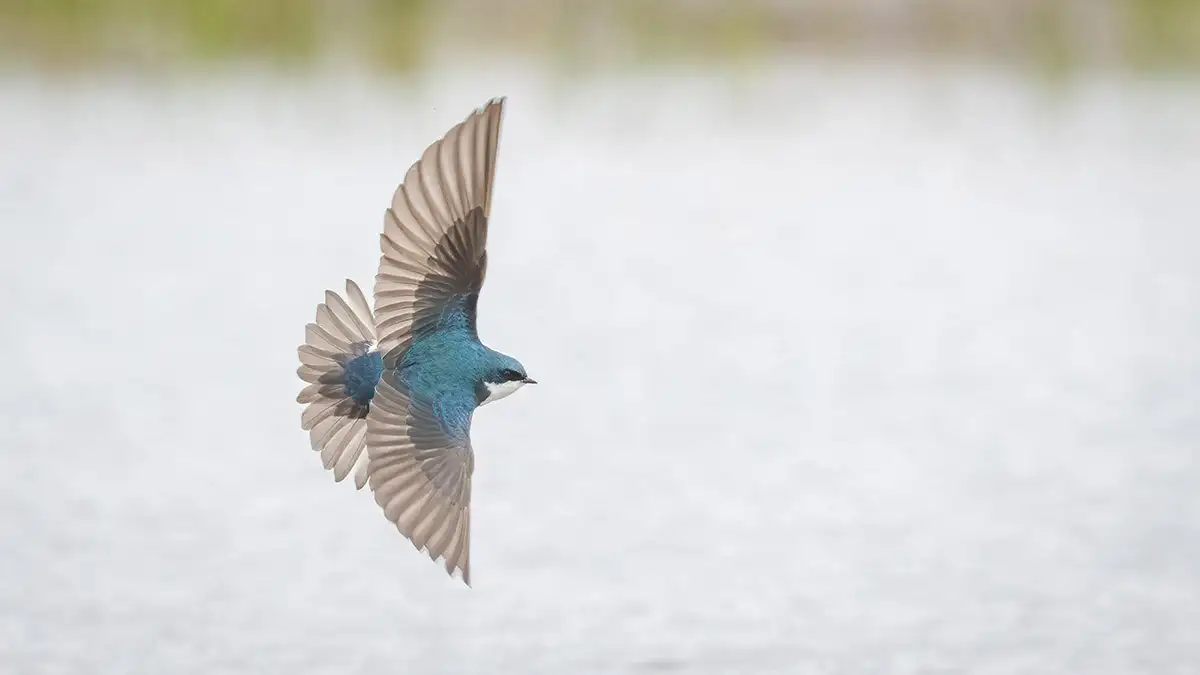
Tree Swallows show up in huge flocks during migration. You may see thousands swirl low over the marsh at once, catching insects on the wing. Their backs flash a deep iridescent blue in the sun.
Fun fact: Tree Swallows are one of the few songbirds that can digest wax-coated berries. That trait lets them stay farther north through the cooler months than most swallows.
Yellow-rumped Warbler
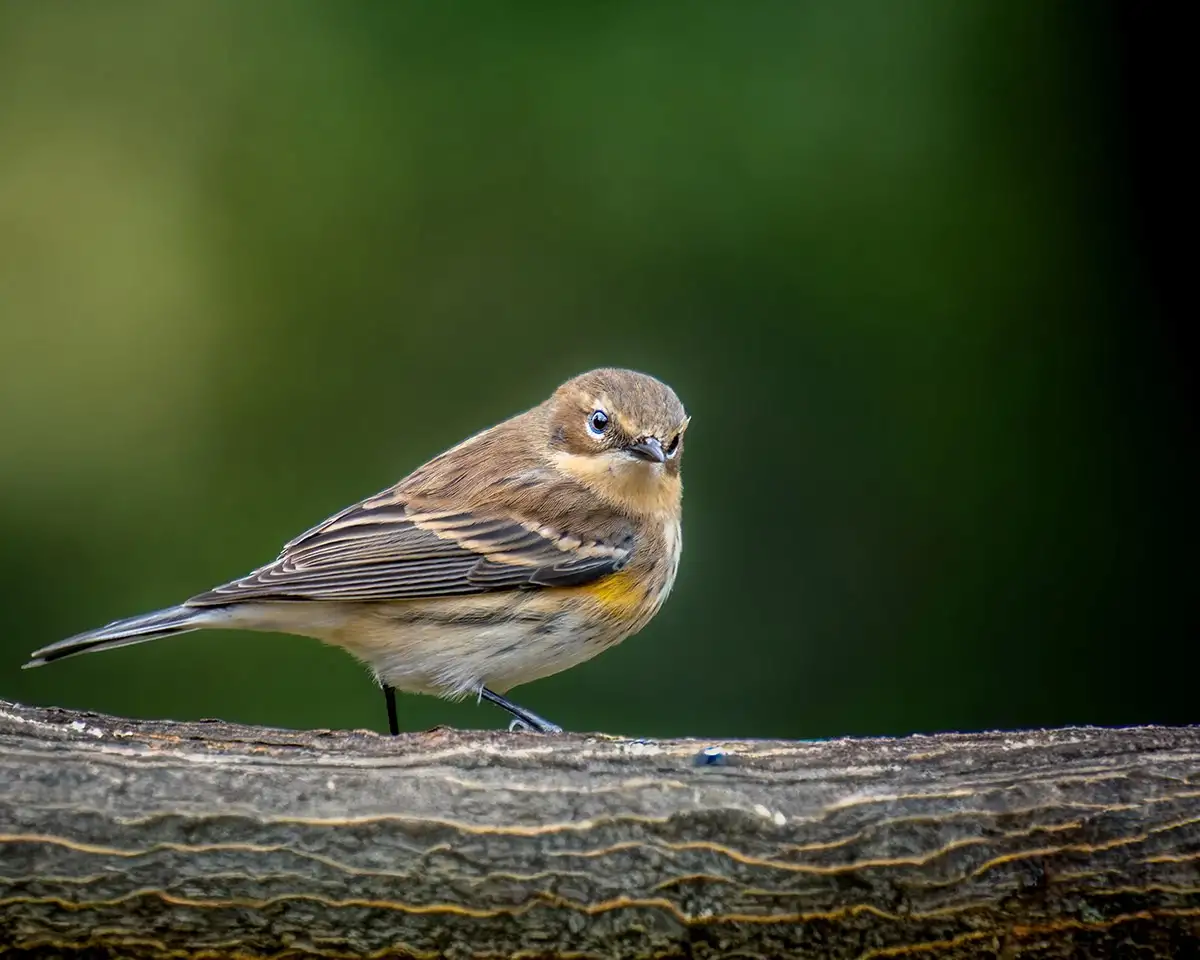
Yellow-rumped Warblers spend the winter in Charleston after flying south from breeding grounds up north. You can spot them flitting through wax myrtles and shrubs along the marsh edge. Watch for bright yellow patches on the rump and sides.
Fun fact: Their old nickname is "butter-butt," because of the bright yellow patch above the tail. It makes them easy to pick out even in thick cover.
Rare and Special Sightings from the Water
Some birds show up without warning. Storms push them off course. Habitat shifts bring them farther north than usual. A boat tour gives you access to the quiet coves and open water where these visitors often land.
Roseate Spoonbill
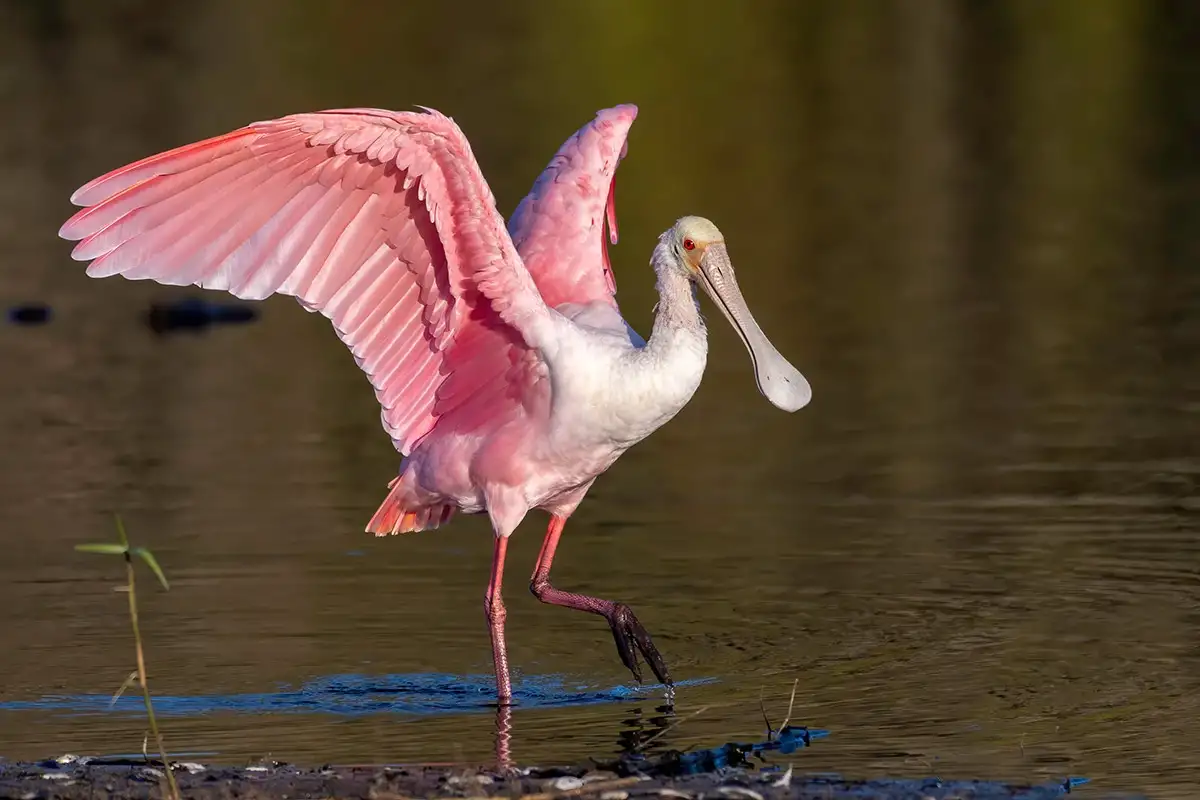
Roseate Spoonbills used to be a Florida bird. In recent years they have turned up more often in Lowcountry marshes. Their pink feathers and flat spoon-shaped bills are hard to miss. They feed in shallow water by sweeping their bills side to side.
Fun fact: The pink in their feathers comes from their diet. They eat small crustaceans that carry pigments called carotenoids, the same compounds that color flamingos.
Peregrine Falcon
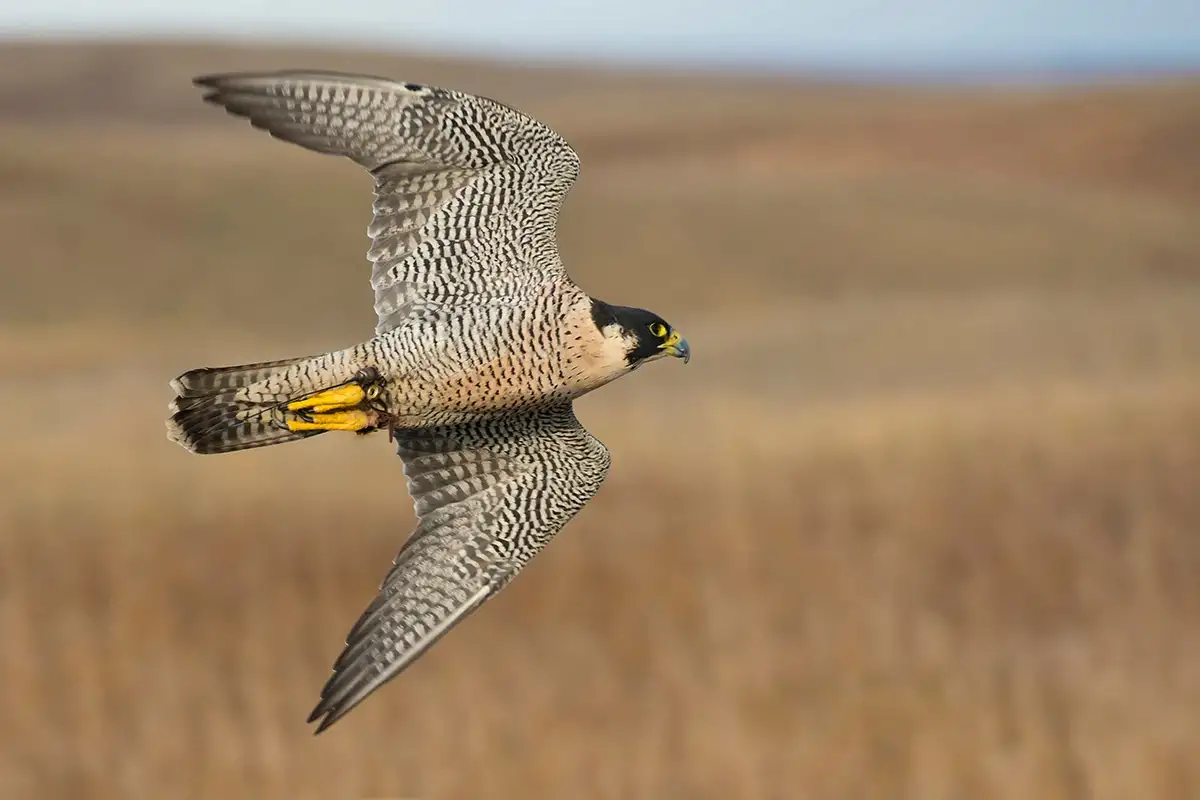
Peregrine Falcons pass through Charleston during migration. They are the fastest bird in the world and can dive over 200 miles per hour. Watch for them near tall structures around the harbor or streaking low over open water after prey.
Fun fact: Peregrines were nearly wiped out in the 1960s from pesticide damage to their eggs. They have recovered strongly and now nest on bridges and tall buildings across the country.
Northern Gannet
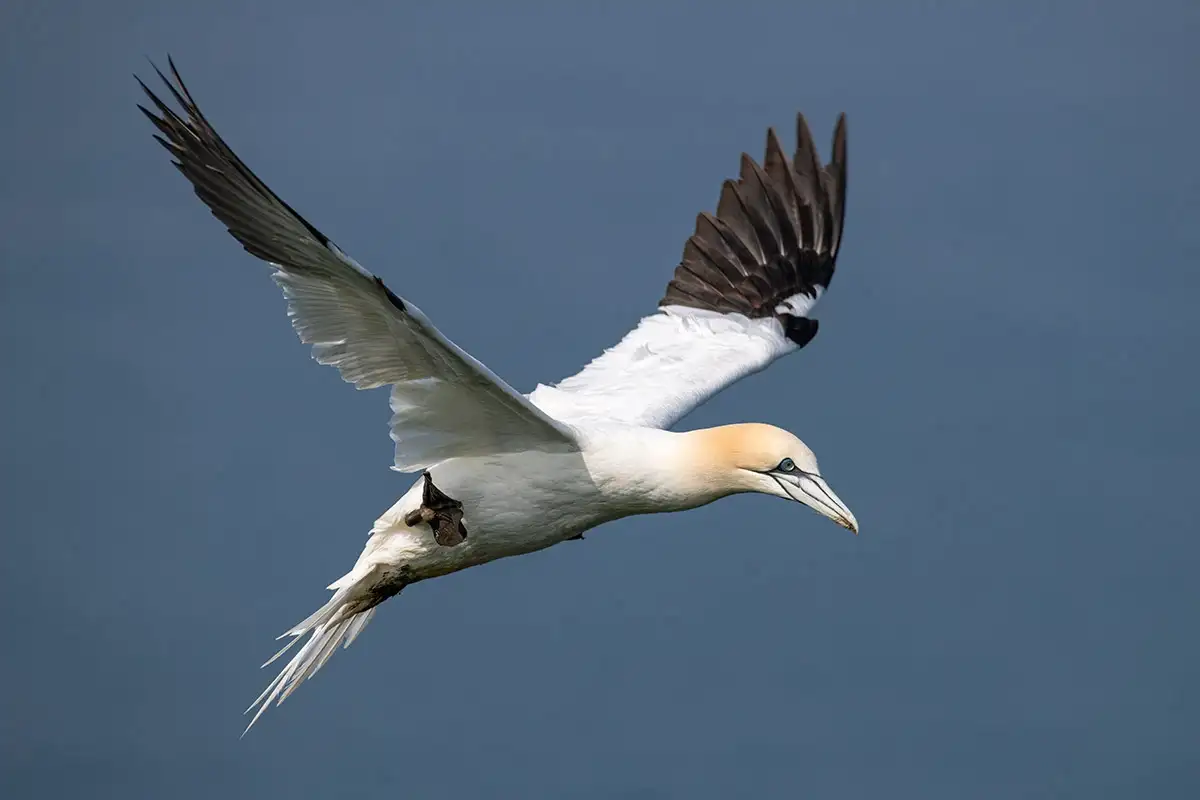
Northern Gannets are a winter treat for Charleston boaters. These large white seabirds with black wingtips soar high above the ocean, then fold their wings and dive straight down into the water at full speed. You may see them feeding offshore from December through March.
Fun fact: Gannets have air sacs in their face and chest that cushion the impact of their high-speed dives. They can hit the water at 60 miles per hour without injury.
American White Pelican
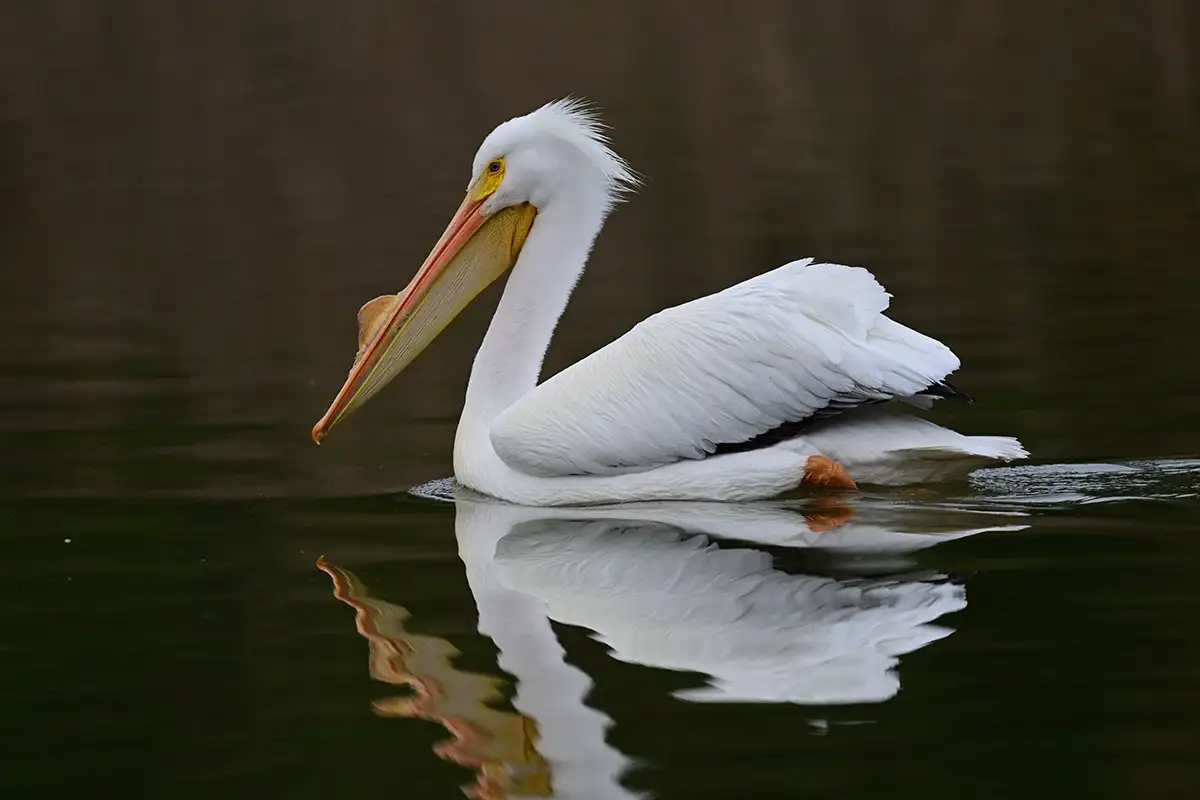
American White Pelicans sometimes show up in the winter months. They are larger than the Brown Pelicans you see year-round, with bright white feathers and black wingtips. Unlike Brown Pelicans, they do not dive for fish. They swim together in groups and scoop up fish as a team.
Fun fact: A group of White Pelicans will sometimes form a half-circle on the water and herd fish into the shallows, where they are easier to catch.
Tips for Birding by Boat in Charleston
A boat gives you a view most birders never get. You can reach mudflats, oyster rakes, and barrier island edges that are closed off from land. A few small habits make a big difference when you are out there.
A boat gives you a view most birders never get. You can reach mudflats, oyster rakes, and barrier island edges that are closed off from land. A few small habits make a big difference when you are out there.
Pick the right binoculars. An 8x42 pair is the standard for birding. Eight-power zoom is enough to see field marks without shaking, and the wide field of view helps you track moving birds. Skip heavy zoom binoculars. They are hard to hold steady on a moving boat.
Watch the tide, not just the clock. Low tide exposes mudflats and oyster beds where shorebirds feed. High tide pushes wading birds close to the creek edges. A rising tide with morning light is often the best combination.
Scan the sky offshore in winter. Gannets, loons, and sea ducks show up when the water cools. Watching the open water beyond the jetties can pay off from December through February.
Let the boat drift. Birds settle when the engine quiets down. Ask your captain to idle or drift in promising spots. A still boat is close to invisible to most birds.
Listen for calls before you look. Clapper Rails, Marsh Wrens, and Painted Buntings often call before they show themselves. Quiet engines and quiet passengers let you catch those first clues.
Log your sightings on eBird. The free eBird app lets you track what you see and contributes to real research on bird populations. Birders use it to find hotspots, and scientists use it to monitor migration.
Plan Your Charleston Birding Tour
Every season brings something different to Charleston waters. Spring delivers Painted Buntings and waves of migrants. Summer holds nesting shorebirds and marsh birds. Fall brings raptors and passerines on the move. Winter opens up the offshore water to gannets, loons, and white pelicans.
Ready to see them for yourself? Book a Carolina Marine Group boat tour and let the tide guide you to the best birding spots in Charleston.
FAQ: Seasonal Birdwatching in Charleston
Spring migration peaks in April and early May. Fall migration runs from September through October. Both windows bring the greatest variety of species.
Yes. Roseate Spoonbills, Peregrine Falcons, and White Pelicans turn up often enough that regular birders on the water see them several times a year.
Yellow-rumped Warblers, Northern Gannets, American White Pelicans, and Common Loons are some of the species you will mostly see in the cooler months.
No. Standard Charleston Harbor and tidal creek tours pass through excellent bird habitat. Mentioning birding as a priority lets your captain pick routes and timing that match your interest.
The Atlantic Flyway is one of four main bird migration routes in North America. It runs along the East Coast from Canada to South America. Charleston sits in the middle of it, which is why migration seasons bring such a range of species.
